Introduction
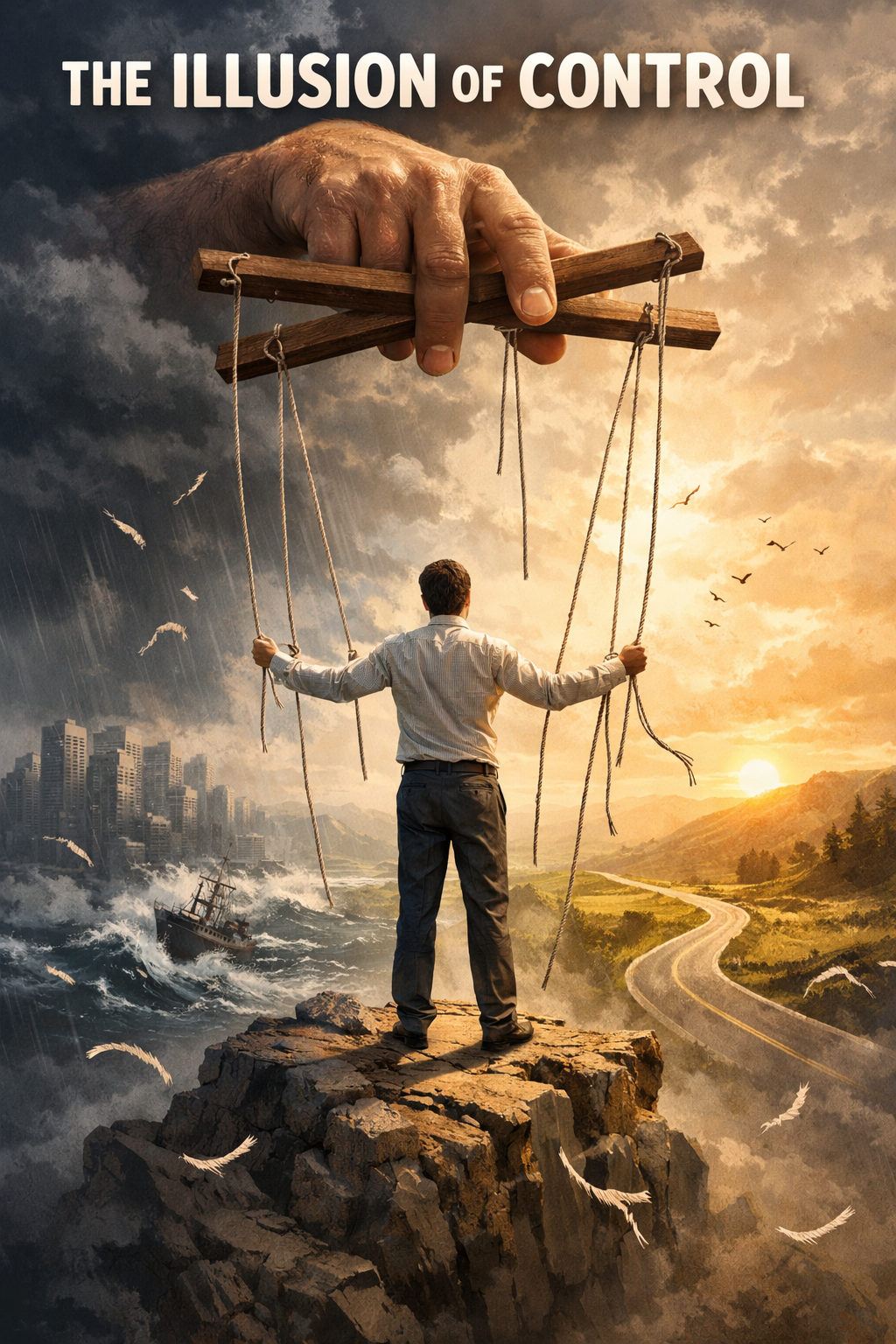
Human beings have an inherent desire to control outcomes—our careers, relationships, and even the way others perceive us. But what if this need for control is not only unrealistic but also the root of our anxiety?
The Nature of Control
Control is often misunderstood. We believe that with enough planning and effort, we can dictate outcomes. However, life is influenced by countless variables beyond our reach—other people’s choices, unforeseen events, and randomness.
Philosophers like Epictetus emphasized that true power lies in distinguishing between what we can and cannot control.
The Cost of Holding On
Clinging to control creates:
- Anxiety about uncertain futures
- Frustration when expectations fail
- Emotional exhaustion from constant vigilance
This mindset traps individuals in a loop of dissatisfaction.
The Power of Letting Go
Letting go does not mean giving up—it means redirecting focus:
- Control your actions, not outcomes
- Focus on effort rather than results
- Accept uncertainty as a natural state
This aligns with Stoic philosophy, where peace is found in acceptance.
Practical Applications
- Practice mindfulness to stay present
- Reframe failures as learning experiences
- Limit over-planning and embrace adaptability
Conclusion
Freedom is not found in controlling everything but in mastering your response to anything. When you let go of the illusion of control, you gain clarity, resilience, and inner peace.